
The most consequential sentence in any treatment plan is the one that says a tooth comes out. Extraction is the only step that cannot be undone, redone or improved later — and it is the step most likely to appear in a plan written quickly.
Quick Answer
The default position in modern dentistry is to keep a natural tooth where it can be kept with a reasonable prognosis, because no replacement reproduces the periodontal ligament, the sensory feedback or the bone stimulation of a real tooth. Root canal treatment, retreatment, crown lengthening and post-and-core restoration can save many teeth that look hopeless in a photograph. Extraction is genuinely correct for vertical root fracture, decay extending far below the bone level, severe periodontal bone loss with mobility, failed retreatment with persistent infection, and some teeth in a wider reconstruction. Ask one question of any extraction proposal: what is the diagnosis for this tooth, and what is its prognosis if we try to keep it?
Why the Default Is to Keep the Tooth
A natural tooth is attached to bone by a periodontal ligament. That ligament absorbs load, senses pressure and lets the tooth move slightly under force. An implant, however well made, is fused directly to bone with none of that. This is not an argument against implants — implants are excellent, and for a missing tooth they are usually the best replacement available. It is an argument against removing a tooth that did not need removing.
There is also a sequencing argument. A tooth kept today can still be extracted next year. A tooth extracted today cannot be put back, and the bone at the site begins to remodel and shrink immediately, which is why later implant placement sometimes needs grafting that would not have been necessary before. See bone graft and sinus lift.
When Saving the Tooth Is Realistic
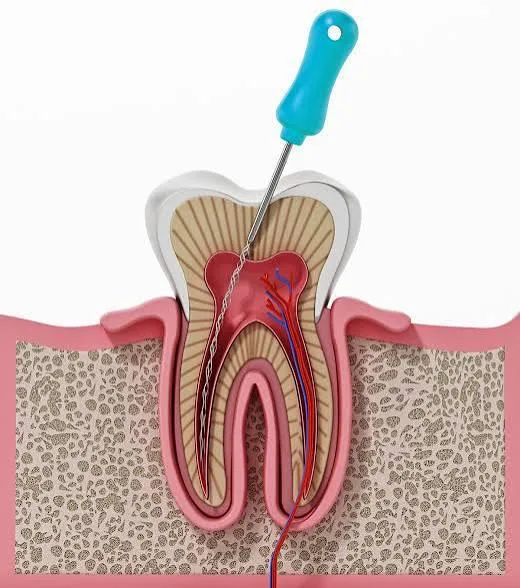
- Deep decay reaching the nerve, where the root itself is sound. Root canal treatment plus a crown is often a durable outcome. See root canal treatment.
- A previously root-treated tooth with a persistent infection, where retreatment has not yet been attempted. A first retreatment is a reasonable step before considering extraction.
- A fractured cusp that has not split the root.
- A tooth broken near the gum, where crown lengthening or an orthodontic extrusion can expose enough sound structure for a crown.
- Moderate gum disease where the tooth is still firm and the bone loss can be stabilised by periodontal treatment. See gum disease treatment.
When Extraction Genuinely Is the Right Call
- Vertical root fracture. A root split lengthwise is not repairable.
- Decay extending well below the bone level, leaving nothing restorable and no way to seal the margin.
- Advanced periodontal disease with severe bone loss and mobility, where the supporting structure is gone rather than inflamed.
- Failed retreatment with continuing infection, where surgery is not appropriate or has already failed.
- A tooth that compromises a larger plan — for example, a hopeless tooth in the middle of a span that would otherwise be restorable, or an unrestorable tooth maintaining an infection near a planned implant site.
- Some impacted teeth with pathology. See wisdom tooth extraction.
Notice what is not on this list: "so the smile can be finished in one week", and "because it is easier to plan implants than to save teeth".
How to Recognise an Extraction Plan Worth Questioning
- The plan proposes extractions without a diagnosis per tooth. "Hopeless" is a conclusion, not a diagnosis.
- The number of teeth to be extracted matches a package rather than a set of findings.
- No attempt at root canal treatment or retreatment is offered or discussed for a tooth with a sound root.
- Full-arch extraction is proposed for a mouth with several sound teeth, on the basis that a single arch restoration is simpler.
- The plan was produced from photographs with no CBCT scan, no periodontal charting and no examination. See what a remote assessment can and cannot do.
- The rationale offered is cosmetic uniformity rather than tooth-level pathology.
If you have been given a plan that includes extractions, send it with your radiographs on WhatsApp or book a consultation. We will tell you which teeth have a stated diagnosis, which do not, and what a plan that keeps more of your own teeth would involve.
The Questions to Ask, Tooth by Tooth
- What is the diagnosis for this specific tooth?
- What is its prognosis if we try to save it — good, questionable, or hopeless — and on what evidence?
- What would saving it involve, in visits, time and cost?
- What happens if we do nothing with this tooth for a year?
- If we extract it, what replaces it, and when?
- Will extraction need grafting later that keeping the tooth would avoid?
- Is this extraction needed for this tooth, or for the plan?
A dentist who has examined you can answer all seven for every tooth on the list. If the answers arrive only as a total price, the plan has not been made tooth by tooth.
Cost Is Not the Only Axis
Saving a tooth is often, though not always, less expensive at the outset than extraction plus implant plus crown. But the honest comparison runs over years and includes the possibility that a saved tooth later fails and needs the implant anyway. The variables that actually decide are the prognosis of the tooth, the amount of remaining sound structure, your gum health, your bite and grinding habit, and how much bone is available. What drives the price of each route is set out in what drives the cost of dental treatment, and what the alternatives to an implant look like in dental bridge versus implant.
Time matters too, and it is where travelling patients feel the most pressure. Saving a tooth may require two visits some months apart, while extraction and implant may also require two visits some months apart. If a plan promises to compress an irreversible decision into a single week, ask what is being traded for that speed. See how many days you actually need in Istanbul.
Which imaging answers which part of that question is explained in panoramic X-ray or CBCT?.
References
- World Health Organization: Oral health fact sheet
- NHS: Root canal treatment
- NIH National Institute of Dental and Craniofacial Research
- European Federation of Periodontology
- FDI World Dental Federation
This article is general educational information. It is not a diagnosis and does not replace a clinical examination. Whether a specific tooth can be saved depends on findings that require an examination, radiographs and often a CBCT scan. To have a plan that includes extractions reviewed, book a consultation or message us on WhatsApp.