
If a dentist has told you that you need a bone graft or a sinus lift before implants, it usually means one thing: there is not enough bone in that area right now to hold an implant securely. It is a common finding, not a rejection, and in most cases it is solvable.
Why Jawbone Is Lost After Tooth Loss
Jawbone stays dense because chewing forces travel down through the tooth root and stimulate it. Once a tooth is removed, that stimulation stops and the bone in that spot gradually shrinks, a process called resorption. The longer a gap has been empty, the more bone tends to be lost.
Gum disease, long-term denture wear, previous infections, and injury can each accelerate the same process. This is also the main reason dentists encourage replacing a missing tooth sooner rather than later.
What a Bone Graft Actually Is
A bone graft adds grafting material to the deficient site so that your own bone can grow into and replace it over the following months. It is a scaffold, not a permanent implant of foreign material.
Grafting material can come from several sources, your own bone, processed donor or animal-derived bone, or synthetic material. Which one is appropriate depends on how much volume is needed and where. Your surgeon will explain the specific material planned for your case and why.
What a Sinus Lift Is
A sinus lift is a specific graft for the upper back jaw. The maxillary sinuses sit directly above the upper molars, and after those teeth are lost the sinus floor often drops closer to the ridge, leaving too little vertical bone for an implant.
A sinus lift gently raises that sinus membrane and places graft material underneath, creating the height an implant needs. It is one of the most common preparatory procedures in implant dentistry, and it is done specifically because the anatomy of the upper back jaw makes it necessary, not because anything went wrong.
How It Changes Your Treatment Timeline
This is the part that matters most if you are travelling for treatment. Grafted bone needs time to mature before it can support an implant. That healing period is measured in months, not weeks, and it depends on the graft type, the site, and your own healing.
Broadly, there are three scenarios:
- Simultaneous grafting: when the deficiency is minor, grafting and implant placement can sometimes happen in the same surgery
- Staged grafting: when more volume is needed, the graft is placed first and the implant follows after a healing period
- Sinus lift with staged placement: larger sinus lifts commonly follow this pattern
Only a clinician who has seen your 3D scan can tell you which applies to you. Anyone quoting a graft timeline before imaging is guessing.
Why a CBCT Scan Comes First
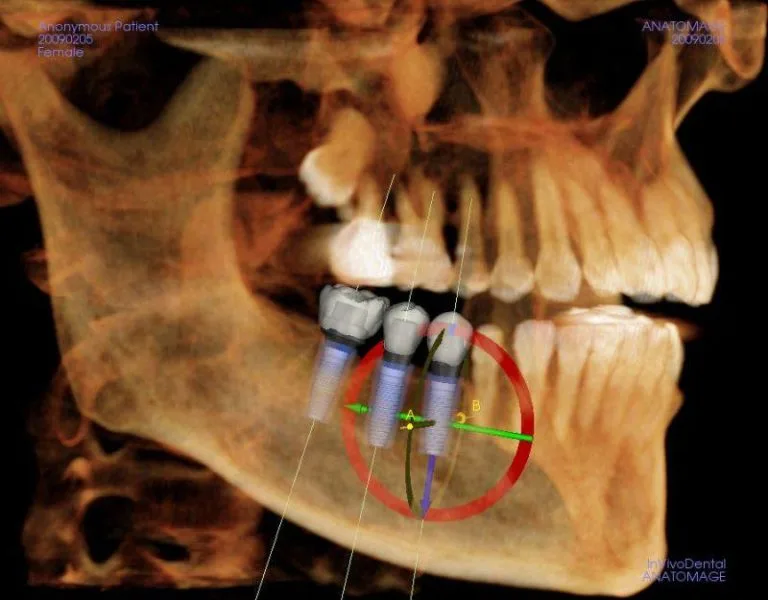
You cannot assess bone volume from a standard 2D X-ray or a photograph. A 3D CBCT scan shows bone height, width, density, nerve position, and sinus anatomy in three dimensions. It is what turns "you might need a graft" into a specific, measurable plan.
Recovery, Honestly
Expect swelling and soreness for the first several days, managed with prescribed medication and cold compresses. Most people take it easy for a few days rather than being fully out of action. Soft food, no smoking, and careful cleaning around the site are standard instructions, smoking in particular is strongly associated with graft and implant complications.
What to Ask Before You Agree
- What does my CBCT scan show specifically about bone height and width?
- Which graft material is planned, and why that one?
- Can the implant be placed at the same time, or does it need staging?
- How many months before the implant can be placed?
- How does this change the total number of trips if I am travelling?
Planning Implants From Abroad
If you are considering implant treatment in Istanbul, grafting is the single biggest variable in how many visits you will need. Get the imaging and the staged plan agreed before booking flights, not after.
Sinus procedures carry specific travel precautions, so if you are flying home afterwards read implant aftercare and flying home and agree an earliest safe return date with your surgeon in writing.
This article is for general information only and does not replace a clinical consultation. Every case depends on imaging and examination. Book a free consultation to have your case assessed, or message us on WhatsApp.
Frequently Asked Questions
Does needing a bone graft mean I cannot have dental implants?+
No. In most cases a bone graft is what makes implants possible. It rebuilds the volume needed to place one securely. It changes the timeline, not the outcome. Only imaging and examination can confirm what is possible in your case.
How long after a bone graft can the implant be placed?+
Grafted bone needs months, not weeks, to mature before it can support an implant. The exact wait depends on graft type, site, and your healing, so it is set after your CBCT scan rather than promised in advance.
Is a sinus lift painful?+
The procedure itself is done under anesthesia so you should not feel pain during it. Afterwards, expect swelling and soreness for several days, managed with prescribed medication and cold compresses.
Can bone grafting and implant placement happen in the same visit?+
Sometimes. When the bone deficiency is minor, both can be done in one surgery. Larger deficiencies and most significant sinus lifts are staged instead, which means more than one visit.
Why do I need a CBCT scan before a graft decision?+
Bone height, width, density, nerve position, and sinus anatomy cannot be judged from a 2D X-ray. A 3D CBCT scan is what turns a suspicion of bone loss into a measurable surgical plan.