
This is general patient information, not a diagnosis. If you have pain, swelling or a broken tooth, have it examined.
Quick Answer
A cracked tooth often causes a brief, sharp pain when biting on a particular spot, especially when releasing the bite, and sensitivity to cold or sweet things, while the tooth may look normal. Cracks are common in back teeth with large fillings and in people who clench or grind. They can be hard to find because many cracks do not show on X-rays, so dentists rely on symptoms, magnification, bite tests and sometimes removing an old filling to look. Treatment depends on where the crack runs: a crack confined to the crown is often treated with an onlay or crown, a crack that has reached the nerve may need root canal treatment as well, and a crack that splits the tooth or runs down the root may mean the tooth cannot be saved. Early assessment gives the best chance of keeping the tooth.
Key Takeaways
- Pain on biting, especially on release, is the classic sign. Pain may come and go.
- Cracks are often invisible on X-rays and in photographs.
- The sooner a cracked tooth is protected, the better the chance it stops spreading.
- Treatment ranges from an onlay or crown to root canal treatment, and sometimes extraction.
- Grinding, chewing hard objects and large old fillings raise the risk.
Common Signs
- A sharp, brief pain when biting on one spot, often when letting go of the bite
- Sensitivity to cold, and sometimes to sweet foods
- Pain that comes and goes, making it hard to say which tooth it is
- A rough edge you can feel with your tongue
- Later, if the nerve becomes involved, lingering pain, throbbing or swelling
These signs can also come from other problems, including decay, gum disease and a sensitive root. This list is not a diagnosis. If you have swelling, fever or difficulty swallowing or breathing, seek urgent medical or dental care.
Why Cracks Are Hard to Find
Most cracks run in a direction that X-rays cannot see, and fine cracks are not visible in photographs. Dentists use several methods together:
- Your history: which side, what triggers it, how long it has been happening
- Magnification and light: shining light through the tooth can show a crack line
- Bite tests: biting on a small device one cusp at a time to reproduce the pain
- Removing an old filling to inspect the floor and walls of the cavity
- Gum probing: a deep, narrow pocket beside one tooth can suggest a crack running down the root
Sometimes the diagnosis only becomes certain during treatment.
Types of Crack
| Type | What it is | Usual approach |
|---|---|---|
| Craze lines | Fine surface lines in enamel | Usually no treatment needed |
| Fractured cusp | A piece of a cusp breaks off, often around a filling | Onlay or crown |
| Cracked tooth | A crack from the biting surface down towards the root, not yet split | Protect with an onlay or crown; root canal treatment if the nerve is affected |
| Split tooth | A crack that has separated the tooth into parts | Part of the tooth may sometimes be kept; often extraction |
| Vertical root fracture | A crack starting in the root, often in root-filled teeth | Usually extraction |
How Treatment Is Decided
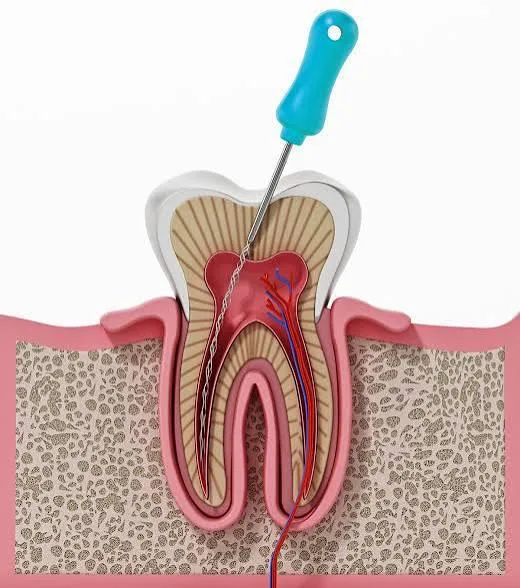
The key questions are how far the crack extends and whether the nerve is healthy. A crack limited to the crown of the tooth can often be held together by covering the cusps, which reduces flexing. See inlays, onlays or a crown. If the nerve is inflamed or infected, root canal treatment may be needed as well. If the crack runs down the root, the tooth is generally not restorable, and the conversation moves to replacement. See save the tooth or extract and implant.
Some dentists place a temporary band or crown first to see whether symptoms settle before committing to definitive treatment.
What You Can Do Now
- Avoid chewing on that side, and avoid very hard foods, ice and pen chewing.
- Do not wait for the pain to become constant. A crack can deepen over time.
- If you grind your teeth, ask about a night guard after treatment. See teeth grinding and bruxism.
If You Are Abroad
Photographs alone rarely confirm a crack. If you are planning treatment in Istanbul, describe the symptoms in your first message and send any recent X-rays. The clinic can give preliminary information, but a cracked tooth needs an in-person examination before a plan is confirmed. See what the clinic needs from you.
Conclusion
A tooth that hurts only when you bite on it is telling you something specific. Getting it examined while the crack is still small is the single most useful step towards keeping it.
Describe your symptoms on WhatsApp or request an appointment.