
"Am I even a candidate?" is the question most people ask before anything else. The honest answer is that the large majority of adults missing one or more teeth can have implants, but candidacy is assessed, never assumed, and a handful of factors genuinely change the plan.
The Four Things a Dentist Assesses
1. Bone volume and quality
An implant needs enough bone to anchor into. This is measured on a 3D CBCT scan, not estimated by eye. If there is not enough, that does not end the conversation. It usually means bone grafting or a sinus lift comes first.
2. Gum health
Active gum disease must be treated before implants are placed. Implants sit in the same tissues natural teeth do, and placing one into inflamed, infected gums risks the implant failing. If you have gum disease, treating it is step one, not a reason you are refused.
3. General health and medications
Some conditions and medications affect healing and bone integration. Your dentist needs a complete, honest medical history, including anything you take regularly. This is not paperwork; controlled conditions and uncontrolled ones carry very different risk profiles.
4. Habits, especially smoking
Smoking is consistently associated with higher implant complication and failure rates. It affects blood supply and healing in exactly the tissues that need to integrate with the implant. Many surgeons will still treat smokers, but will discuss the increased risk and often ask for a period of stopping around surgery.
Age: Almost Never the Barrier People Expect
There is no upper age limit for implants. Health status matters, not the number, many patients in their seventies and eighties are excellent candidates.
The real age constraint is at the other end. Implants are generally not placed in patients whose jaws are still growing, because the implant does not move with the jaw the way a natural tooth does. This is why teenagers are usually given a temporary solution until growth is complete.
Diabetes
Diabetes is not an automatic exclusion. What matters is control. Well-controlled diabetes is compatible with successful implant treatment in many cases; poorly controlled diabetes impairs healing and raises infection risk. Your dentist will want to know your control status and may coordinate with your physician.
Situations That Need Extra Planning
- A history of head or neck radiotherapy
- Certain bone medications, particularly some osteoporosis treatments, tell your dentist about these specifically
- Immune-suppressing conditions or medication
- Severe teeth grinding, which loads implants heavily and may need a night guard
- Heavy smoking
None of these are automatic refusals. All of them are reasons the plan gets adjusted rather than copied from a template.
What a Real Candidacy Assessment Involves
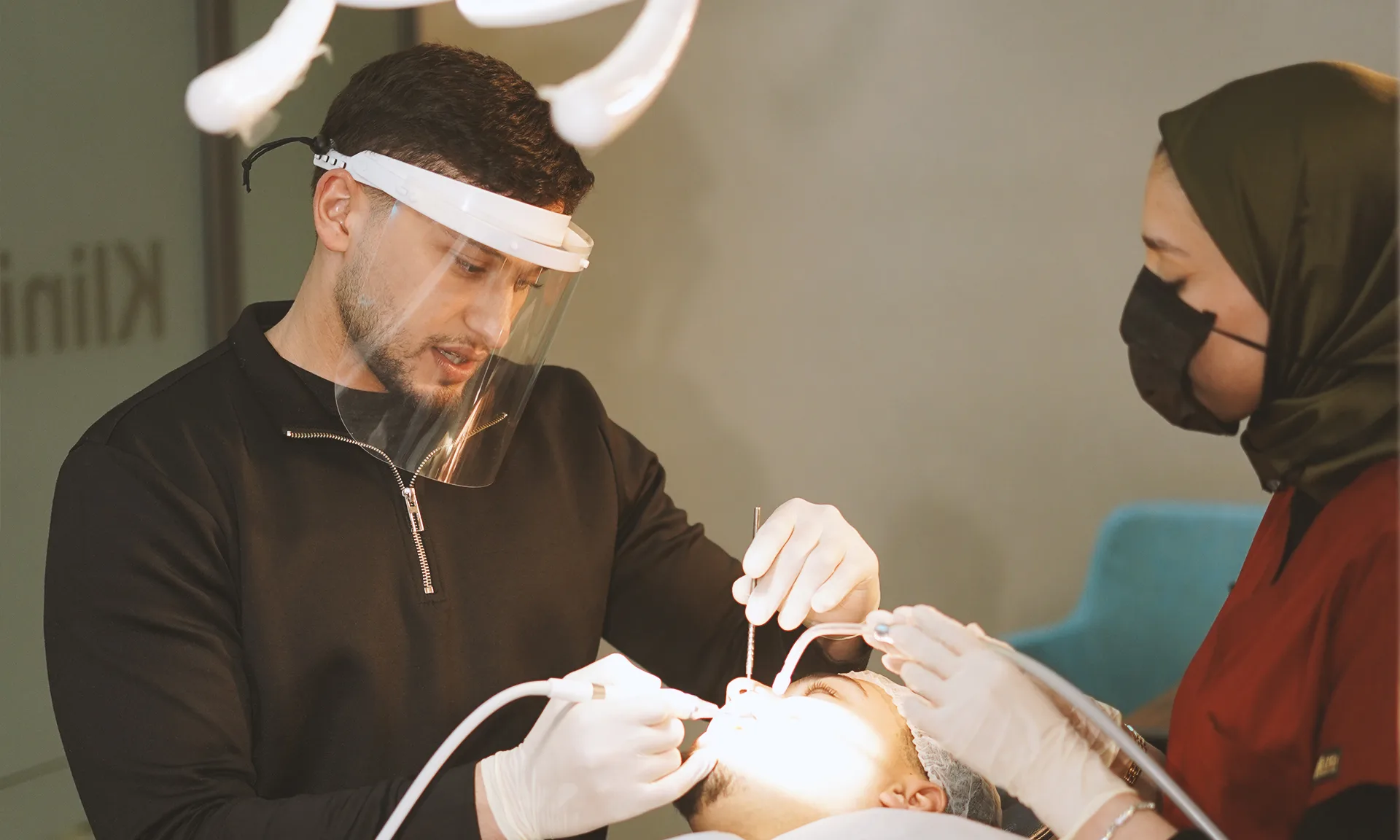
A proper assessment includes a full medical history, a clinical examination of the teeth and gums, a 3D CBCT scan, and a discussion of what you actually want the result to be. Anyone confirming you are a candidate from photographs alone, before any of that, is not assessing you. They are selling to you.
If Implants Are Not Right For You
There are alternatives. Bridges and removable options each have their place, and a good clinic will explain the trade-offs rather than pushing one route. The goal is the right treatment, not the most expensive one.
If you are asking this from another country, gathering the right information first makes the answer far more useful, see what records and X-rays to prepare before an international consultation.
This article is for general information only and does not replace a clinical consultation. Candidacy can only be confirmed after examination and imaging. Book a free consultation to have your case assessed, or message us on WhatsApp.
Frequently Asked Questions
Is there an age limit for dental implants?+
There is no upper age limit, health status matters more than age, and many patients in their seventies and eighties are good candidates. The lower limit matters more: implants are generally not placed while the jaw is still growing.
Can I get dental implants if I smoke?+
Smoking is linked to higher implant complication and failure rates because it affects blood supply and healing. Many surgeons will still treat smokers but will discuss the increased risk and often ask you to stop for a period around surgery.
Can diabetics have dental implants?+
Diabetes is not an automatic exclusion. Well-controlled diabetes is compatible with successful treatment in many cases, while poorly controlled diabetes impairs healing and raises infection risk. Your dentist will ask about your control and may coordinate with your physician.
What if I do not have enough bone for an implant?+
Insufficient bone usually means bone grafting or a sinus lift is done first to rebuild the volume needed. It extends the timeline rather than ruling implants out. A 3D CBCT scan determines what is required.
Can I be told I am a candidate from photos alone?+
No. A genuine assessment needs a full medical history, a clinical examination, and a 3D scan. Confirming candidacy from photographs before any of that is a sales step, not a clinical one.