
The most common disappointment in dental tourism is not a bad result. It is a plan that changed. A patient arrives holding a figure agreed weeks earlier, is examined, and is told something slightly different — and because nobody explained what the first figure actually was, the change feels like a trick.
It usually is not. But it is avoidable, and avoiding it starts with naming the stages.
Quick Answer
A remote consultation can confirm what treatment is likely to be appropriate, roughly how long it may take, roughly what it may cost, and exactly what steps will follow. It cannot confirm a diagnosis, a final treatment plan, or a final cost, because those require a clinical examination and, in many cases, imaging taken and read in person. At Adil Dent Clinics the final treatment plan is confirmed after the in-person examination; what is agreed beforehand is a preliminary plan used to decide whether travelling makes sense at all.
Key Takeaways
- Four stages, four different documents: preliminary information, preliminary plan, confirmed plan, invoice.
- A photograph shows surfaces. An examination tests what those surfaces are attached to.
- A plan that changes after examination is normal. A change that cannot be explained or shown to you is not.
- You should be able to say no to the confirmed plan. According to the clinic's current policy, no deposit or advance payment is required before travel, which is what makes that possible in practice.
The Four Stages
| Stage | Produced by | What it is | What it is not |
|---|---|---|---|
| Preliminary information | Your description, photographs, and any imaging you send | General guidance on what treatment may suit, expected duration, expected cost, and the steps involved | A diagnosis |
| Preliminary plan | Agreement between you and the clinic to proceed on that basis | A working direction, good enough to plan travel around | A commitment to a procedure or a price |
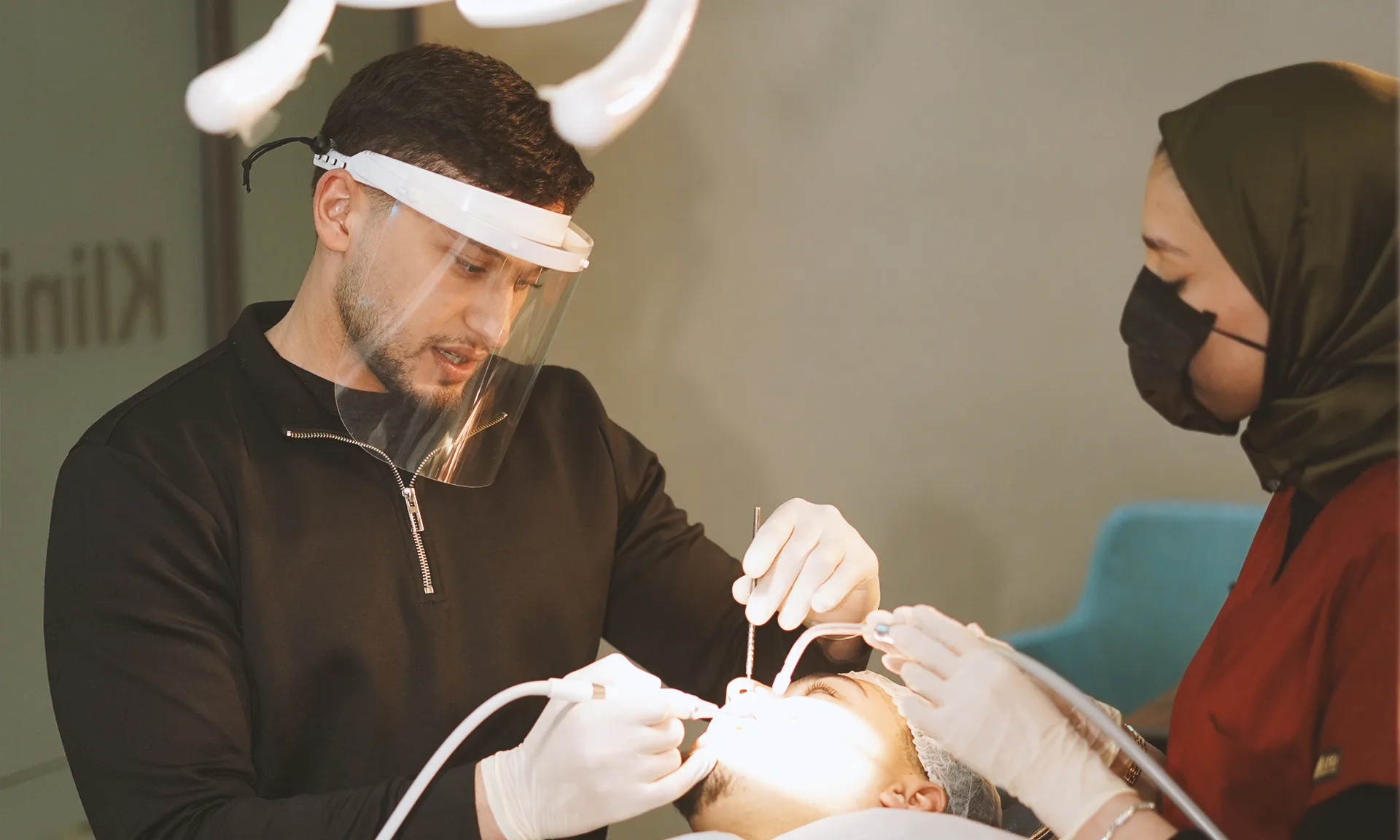
| Confirmed treatment plan | In-person clinical examination, with imaging where the case needs it | The treatments and procedures planned, and the agreed cost of treatment, given to you before treatment begins | Unchangeable — if the plan changes mid-treatment, that is a new conversation and a new consent |
| Invoice | Payment | An official record of the amount paid | A treatment plan |
Keeping these four apart solves most of the mistrust in international dentistry on its own.
What an Examination Adds That a Photograph Cannot
Photographs and a frontal smile image are genuinely useful. They show tooth position, visible colour and shape, the line of the gum, how much tooth shows when you smile, and often the obvious problems. They are the right starting point, and clear ones shorten the conversation considerably.
What they cannot do is answer the questions that determine a plan:
- Whether a tooth is restorable. That depends on how much sound tooth structure remains below the visible surface, and on what is under an existing crown or filling.
- The condition of the bone. Height, width and density are not visible in the mouth at all, let alone in a photograph.
- Gum and periodontal status. Pocket depths and attachment are measured, not seen.
- Bite and function. How your teeth meet, and whether there is wear or grinding, needs assessment in person — relevant to crowns and veneers in particular, as teeth grinding and new ceramic work explains.
- Symptoms and sensitivity. A tooth that looks acceptable can be the one causing the pain.
This is why the clinic may request a 2D panoramic X-ray or a CBCT scan depending on the case, and why necessary imaging may still be taken on arrival even if you sent images. Which image answers which question is covered in panoramic X-ray versus CBCT.
The Four Reasons a Plan Legitimately Changes
- Imaging revealed something the photographs could not show. The most common reason, and the easiest to verify: ask to be shown it on your own image.
- A tooth turned out to be restorable, or not. This can move a plan in either direction, including towards less treatment.
- Sequencing changed. The treatment is the same but the order or the number of visits is different, which affects your trip more than your total.
- Something needs treating first. Groundwork before the treatment you came for, which may add a stage.
A fifth reason is not legitimate: the original figure was never based on your case. The way to tell them apart is to ask for the explanation and the image. A clinic acting properly can provide both.
How to Handle a Changed Plan on Arrival
Three questions, asked calmly, settle almost every version of this situation.
- What specifically changed, and where do I see it on my own imaging?
- Which parts of what we discussed still stand, and which no longer do?
- What is the new plan in writing, with the agreed cost, before anything starts?
Then give yourself the rest of the day. You are entitled to read the plan before consenting to it, and consent given without understanding is not valid consent — the NHS describes valid consent as voluntary and informed, and notes it can be withdrawn before a procedure. The language side of that is in consent forms at Adil Dent.
If you want an independent view before agreeing, getting a second opinion on a dental treatment plan explains how, and what to send.
Why No Pre-Travel Deposit Matters Here
Being able to decline a confirmed plan is only real if declining costs you nothing but your flight. According to Adil Dent Clinics' current policy, no deposit or advance payment is required before the patient travels. That is the current policy rather than a permanent guarantee, so confirm it in your own conversation — but where it applies, it means the examination is a decision point rather than a formality after money has moved. The wider question of what a payment secures is covered in deposits before travelling and in paying a dental clinic abroad.
What to Ask For Before You Fly
- Written confirmation that what you have been given is preliminary.
- What will be examined and imaged on arrival.
- How long the appointment will take, so you do not schedule anything after it.
- What happens, practically, if you decide not to proceed after the examination.
The full list of pre-flight confirmations is in what to confirm in writing before booking your flight.
Conclusion
Remote consultation is a filter, not a verdict. Used properly it tells you whether travelling is worth it and what to prepare; used as a promise, it sets up a disappointment at the exact moment you are least able to walk away. Ask for the label on what you are given, and the rest follows.
Want preliminary information about your own case, clearly labelled as preliminary? Message the clinic on WhatsApp or request an appointment. The stage that follows is described in your first dental appointment in Istanbul.