
This is general patient information, not a diagnosis. The type and frequency of cleaning you need is decided after your gums have been examined.
Quick Answer
A professional dental cleaning, often called a scale and polish, removes hardened plaque (tartar or calculus) and stains from the teeth, above and just below the gumline, using ultrasonic and hand instruments, followed by polishing. Tartar forms when plaque is not removed and minerals from saliva harden it; once hardened, it cannot be removed by brushing. A routine clean is not the same as treatment for gum disease: where gum pockets have formed and bone has been lost, a deeper cleaning of the root surfaces under local anaesthetic, sometimes called root surface debridement or deep cleaning, is needed. Done properly, scaling does not damage enamel. How often you need cleaning depends on your gum health and risk, which is why intervals differ from person to person.
Key Takeaways
- Tartar forms from plaque and cannot be brushed away once hardened.
- A routine clean removes tartar and stain; it supports, but does not replace, daily brushing and cleaning between teeth.
- Deep cleaning treats gum disease below the gumline and is a different procedure.
- Some sensitivity or bleeding afterwards is common and usually settles quickly.
- The right interval depends on your risk, not a fixed rule for everyone.
What Happens During a Routine Clean
- Check of the gums. The dentist or hygienist looks for inflammation and may measure gum pockets with a small probe.
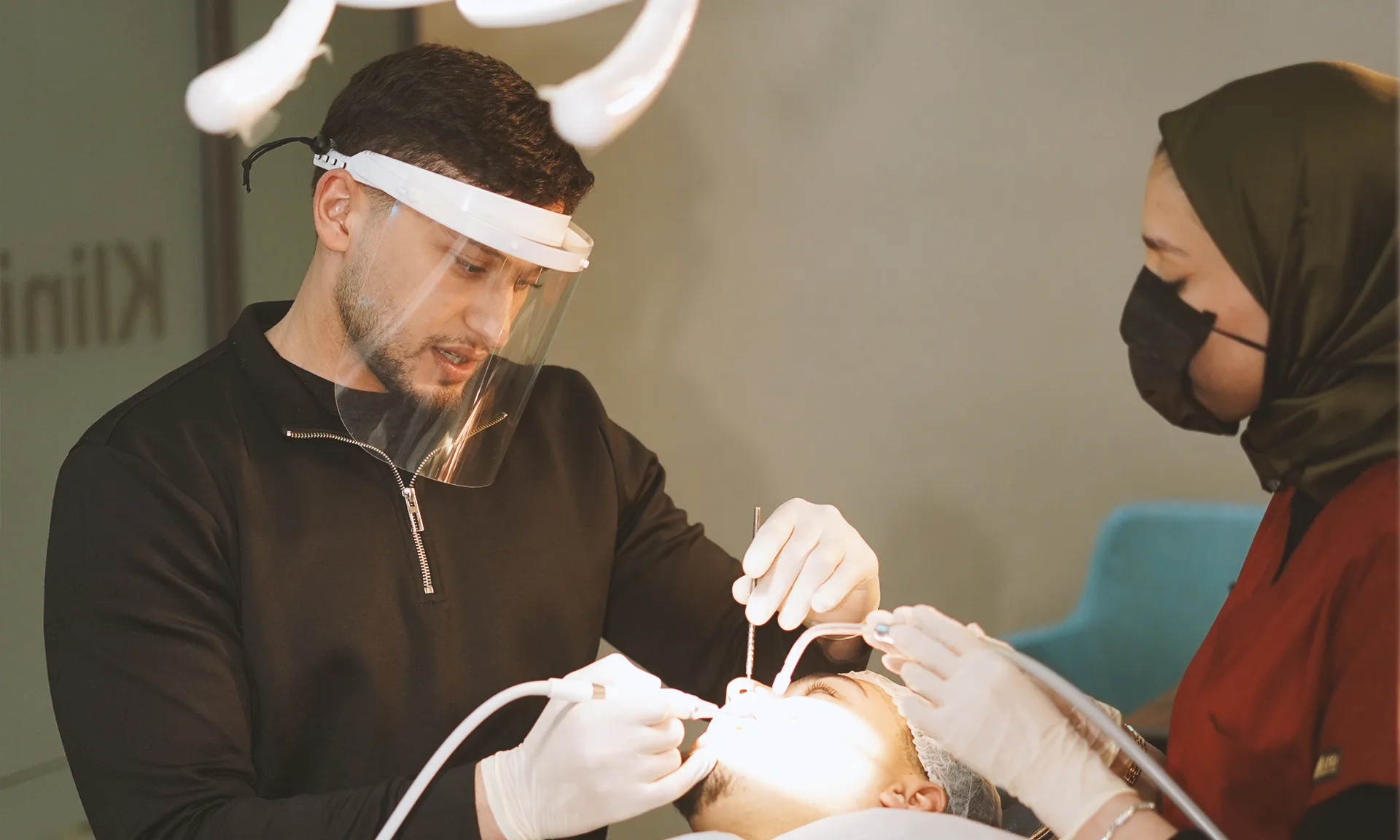
- Scaling. An ultrasonic scaler vibrates tartar loose while spraying water, and hand instruments remove what remains, including between teeth and just under the gumline.
- Polishing. A paste or a powder-and-water spray removes surface stain and leaves the surface smoother, making it harder for plaque to stick.
- Advice. You are shown where plaque is building up, and how to clean those areas at home.
Does It Hurt?
Most people feel vibration, water and scraping rather than pain. Areas where gums are inflamed may be tender and may bleed, which is a sign of inflammation, not of damage. If you have sensitive teeth or deep tartar, ask for a numbing gel or local anaesthetic. Some sensitivity to cold for a few days afterwards is common, especially if a lot of tartar was removed and root surfaces are newly exposed to the mouth.
Does Scaling Damage Enamel?
No, when done properly. Scaling removes deposits sitting on the tooth, not the tooth itself. After heavy tartar is removed, teeth can feel different, gaps between teeth may seem larger because tartar was filling them, and gums may look slightly lower as swelling settles. That is the true shape of your gums becoming visible, not new damage.
Routine Clean or Deep Cleaning?
| Routine scale and polish | Deep cleaning for gum disease | |
|---|---|---|
| For | Healthy gums or mild gingivitis | Periodontitis with pockets and bone loss |
| Where | Above and just below the gumline | Deeper root surfaces inside the pockets |
| Anaesthetic | Usually not needed | Usually local anaesthetic |
| Visits | Usually one | Often one or more, by section of the mouth |
| Follow-up | At your usual check-up interval | Re-assessment of the pockets, then supportive maintenance |
If you are told you need deep cleaning, ask what your pocket depths are and which areas are affected. See gum disease treatment.
How Often Do You Need One?
There is no single right interval. UK national guidance from NICE recommends that the interval between dental check-ups be set according to each person's risk, ranging from three months to two years for adults. People with gum disease, heavy tartar build-up, diabetes, or who smoke usually need more frequent professional care. See the importance of regular dental check-ups.
Before Cosmetic or Implant Treatment
Healthy gums are the foundation for veneers, crowns, implants and orthodontics. A clean before treatment allows the dentist to see the true colour and shape of the teeth and gums, take accurate scans, and spot gum problems that should be treated first. If you are travelling for treatment, ask whether a clean is part of your plan.
Afterwards
- Mild sensitivity: use a toothpaste for sensitive teeth. See tooth sensitivity.
- Some bleeding when brushing for a day or two is common. Keep brushing gently.
- Keep up daily cleaning between the teeth so tartar does not rebuild.
Conclusion
A professional clean removes what your toothbrush cannot, but it works with your daily habits rather than instead of them. If your gums bleed, ask whether you need a routine clean or treatment for gum disease, because the two are not the same.
Ask on WhatsApp or request an appointment.