
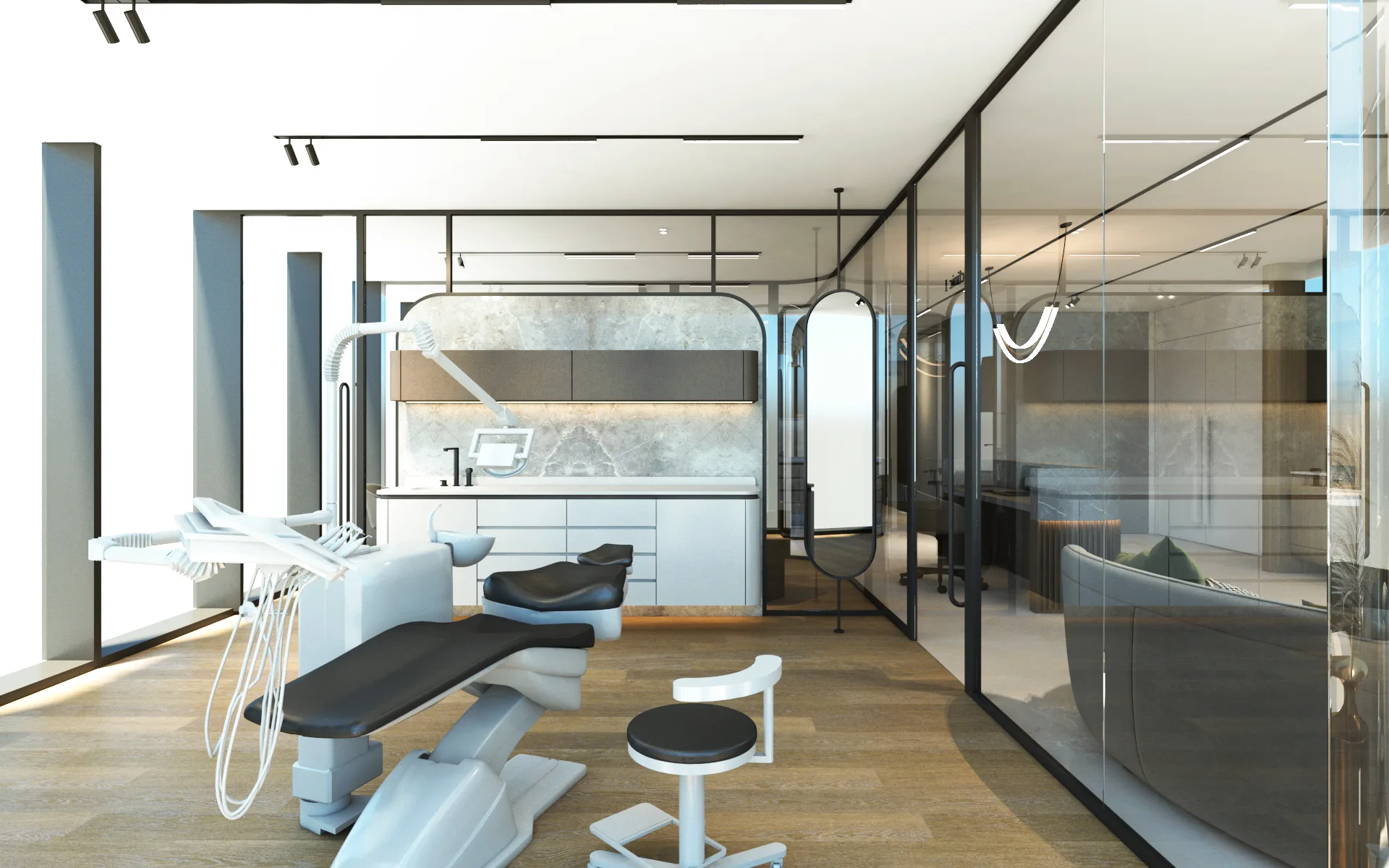
The article on what records to prepare before an international consultation explains what a clinic needs and why. This one is the practical companion: how to take the photographs, how to get the original files from your dentist or imaging centre, what a useful cover sheet looks like and how to send everything without ruining the quality.
Nothing here makes a remote assessment a diagnosis. A dentist can use good material to give you a provisional view and a sensible list of questions. Confirming anything requires an examination.
Quick Answer
Send a small, standard set of clear photographs, the original digital X-ray or CBCT files rather than pictures of films, and a one-page cover sheet describing your goal, symptoms, previous treatment, medication and allergies. Use the route the clinic tells you to use, send imaging as files or a transfer link rather than compressed photos, and confirm receipt. Then treat the reply as provisional until you have been examined.
Key Takeaways
- Good photographs come from daylight, a steady phone, no filters and a fixed set of views.
- Ask your dentist or imaging centre for the original digital files. A photograph of a film or a screenshot is a last resort.
- Do not book a new scan just because a clinic asks. First ask whether your existing images are usable.
- Messaging apps can compress pictures. Send X-rays as files, or use the transfer route the clinic gives you.
- Share only what the clinic needs, through the channel it approves, and ask how the material is stored.
The Five-Step Preparation Sequence
- Gather what already exists. Recent X-rays and scans, treatment records, letters from other dentists and any photographs from earlier treatment.
- Request the digital files. Ask the dentist or imaging centre that took each image for the original files and the report.
- Take the standard photo set. Six to eight clear views, described below.
- Write the one-page cover sheet. The template is further down.
- Send by the approved route and confirm receipt. Then keep copies of everything you sent.
Photographs: The Standard Set
Clinics vary in what they ask for, so follow their instructions first. This set is a sensible default. Good photographs come from natural light near a window, a clean and steady phone held level with your mouth, no flash glare and no filters or beauty modes. Brush first, and never put any tool in your mouth to get a better angle.
| View | How to take it | What it helps a dentist see |
|---|---|---|
| Relaxed face and smile | Face the camera in daylight, neutral then smiling | Overall proportions and how much of the teeth and gum show |
| Front, teeth together | Lips gently apart, teeth touching | Alignment, colour and the front teeth as a group |
| Right side and left side | Turn your head, teeth together, lips gently retracted | How the back teeth meet |
| Upper teeth from below | Tilt the phone up with your mouth open | The biting surfaces of the upper arch |
| Lower teeth from above | Tilt the phone down with your mouth open | The biting surfaces of the lower arch |
| Area of concern, close up | Steady, well lit, in focus | Anything specific you want assessed |
Take each view twice and keep the sharper one. Name the files by view so that nothing has to be guessed, for example front-teeth-together.jpg.
X-rays and Scans: Getting the Original Files
Send what you already have, and ask what else is needed before you arrange anything new.
| Image | What it is | How to get the file |
|---|---|---|
| Panoramic X-ray | One wide image of both jaws and all teeth | Ask the dentist or imaging centre for the digital file and its date |
| Periapical or bitewing X-rays | Close images of individual teeth or the back teeth | Ask for the digital files from your dentist's system |
| CBCT scan | A three-dimensional image, taken when a dentist judges it clinically relevant | Ask for the full data set with its viewer or a download link, and the report |
A few practical points. Ask for the files in their original format, because a photograph of a film held to the light loses detail the dentist needs. CBCT data sets are large, so expect to use a transfer link or disc rather than a chat message. Keep the date and the name of the centre with each image.
Repeating a scan you do not need is a cost in time and money. Before booking a new one, ask the clinic whether your existing images are good enough for the provisional stage. Whether a scan is needed at all is a clinical decision. See CBCT scans explained.
Which Route to Send By
| Route | Good for | Watch for |
|---|---|---|
| Photographs, the cover sheet and quick questions | Images sent as photos may be compressed. Send X-rays as documents or files | |
| Documents and moderate file sizes | Attachment size limits | |
| Transfer link or secure upload | Large CBCT data sets | Use only the route the clinic gives you, and check the link expires |
Before you send anything, ask the clinic how it stores and uses your material and which channel it approves for medical files. Share only what is needed at this stage. A passport or ID is not part of an initial records review. The clinic's privacy policy is the place to read how information is handled, and the US Centers for Disease Control and Prevention advises keeping copies of your records and asking the foreign facility for copies before you return, with translations if needed.
The One-Page Cover Sheet
A single page, in plain language, saves several rounds of messages.
- What you want. Your goal in your own words, for example "replace a missing tooth" or "improve the appearance of my front teeth".
- What you have noticed and when. Describe symptoms and dates, not conclusions. "Tender when chewing on the lower right since May" is more useful than a guess at the cause.
- Previous treatment. What was done, roughly when and where.
- Medication and allergies. Current medication, and any allergy to medicine, latex or anaesthetic.
- Relevant health conditions. Any you have been told matter for dental treatment.
- What other dentists have told you. Including any plan you were quoted.
- Your questions and your possible travel window.
Do not label a problem yourself. Symptoms can have several causes and need an examination to tell apart.
If Something Feels Urgent
If you have significant pain, swelling of the face or mouth, fever, difficulty breathing or swallowing, or bleeding that will not stop, seek urgent medical or dental care where you are now. Do not wait for an online reply. A records review is not a substitute for prompt assessment.
What Comes Next
Once material is sent, the clinic's reply should describe what it can see, what it cannot and what would change the plan. Read it as provisional. What a written plan should contain is set out in the written dental treatment plan, what happens when you arrive in your first dental appointment in Istanbul, and the wider route on the international patients page.
Once the material is with the clinic, dental treatment in Turkey explains why the quote that follows is provisional.
Conclusion
A small, tidy set of files does more for a remote assessment than a large, messy one. Six clear photographs, original imaging, a one-page cover sheet and a confirmed route give a dentist enough to talk to you properly, and give you a record of what you sent.
Ready to send your photographs and X-rays? You can send your available dental records and questions before travelling. Adil Dent Clinics in Vadistanbul, Istanbul will tell you which route to use and what else would help. Send your records on WhatsApp or book an online consultation.
If you only need the photographs for a first enquiry, what photographs to send before a dental consultation covers the short version, and bringing your own dental X-rays and scans to Istanbul covers what happens to images you already hold once you arrive.