
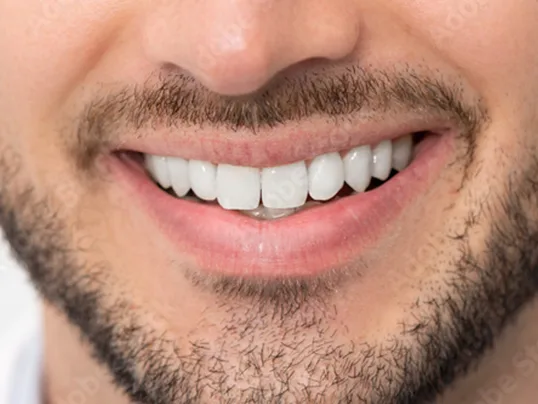
Crowns and veneers are two of the most common restorative and cosmetic treatments, and patients often mix them up. Both improve the look of a tooth, but they differ in how much tooth they cover and the problems they are designed to solve.
Quick Answer
A veneer is a thin shell bonded to the front of a tooth, mainly for appearance. A crown covers the entire tooth and is used when a tooth is weakened, heavily filled, or broken. In short: veneers are mostly cosmetic; crowns are restorative and protective.
Key Takeaways
- Veneers cover only the front surface; crowns cover the whole tooth.
- Veneers are chosen for cosmetic improvements on healthy teeth.
- Crowns are chosen to protect weak, cracked, or heavily restored teeth.
- Crowns require more tooth reshaping than veneers.
- The right choice depends on the condition of your tooth, not just looks.
What Is a Veneer?
A veneer is a thin, custom-made shell, usually porcelain, bonded to the front of a tooth. Veneers are ideal for improving the colour, shape, and alignment of teeth that are basically healthy. They are a core part of cosmetic work like the Hollywood smile and our laminate veneers treatment.
What Is a Crown?
A crown is a cap that covers the entire visible part of a tooth. It restores strength and shape to a tooth that is cracked, heavily decayed, root-canal treated, or badly worn. Because it wraps the whole tooth, a crown protects against further damage in a way a veneer cannot.
Side-by-Side Comparison
- Coverage: veneer: front surface only. Crown: entire tooth.
- Main purpose: veneer: cosmetic. Crown: restoration and protection.
- Tooth preparation: veneer: minimal. Crown: more reshaping.
- Best for: veneer: healthy teeth needing a cosmetic upgrade. Crown: weakened or damaged teeth.
- Strength added: veneer: limited. Crown: significant.
How to Decide
If your teeth are healthy and you mainly want to improve their appearance, veneers are often the answer. If a tooth is structurally compromised, cracked, heavily filled, or after root canal treatment. A crown is usually the safer, longer-lasting choice. A consultation and examination, part of our cosmetic dentistry care, gives you a clear recommendation.
Get a Personalized Recommendation
Not sure which is right for you? Book a consultation, message us on WhatsApp, or contact our team and we will assess your teeth and explain your options.
This article is for general information only and is not a substitute for a clinical consultation. The best option depends on an individual examination.
Frequently Asked Questions
What is the main difference between a crown and a veneer?+
A veneer is a thin shell bonded to the front of a tooth, mainly for appearance, while a crown covers the entire tooth to restore and protect it. Veneers are mostly cosmetic; crowns are restorative.
Which lasts longer, a crown or a veneer?+
Both can last many years with good care. Because a crown covers and protects the whole tooth, it is generally chosen for teeth that need extra strength, while veneers are best for healthy teeth needing a cosmetic upgrade.
Does getting a crown remove more of the tooth?+
Yes. A crown requires more reshaping of the tooth because it caps the entire visible part, whereas a veneer needs only minimal preparation of the front surface.
Can I choose a veneer instead of a crown?+
Only if the tooth is healthy enough. If a tooth is cracked, heavily filled, or root-canal treated, a crown is usually needed for protection. An examination determines which is appropriate.