
What Is Root Canal Treatment?
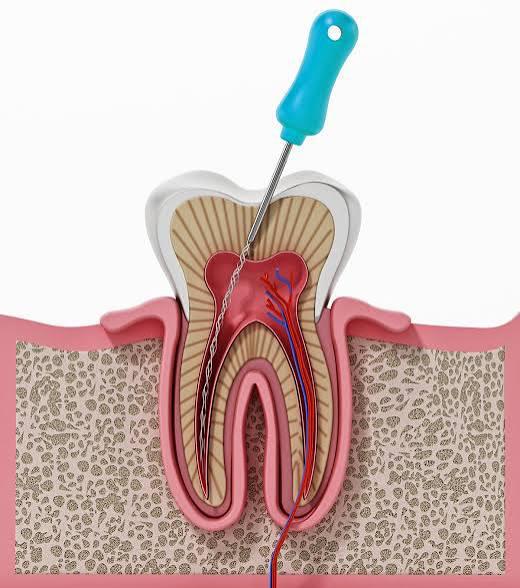
Root canal treatment — also known as endodontic therapy — is a dental procedure designed to save a tooth that has become infected or severely damaged. When the inner part of the tooth (called the pulp) becomes inflamed or infected due to deep decay, cracks, or trauma, a root canal removes the infection and preserves the natural tooth.
Inside each tooth is a soft tissue called the pulp, which contains nerves, blood vessels, and connective tissue. When harmful bacteria reach the pulp, it can cause pain, sensitivity, and swelling. A root canal removes the infected pulp, cleans the inside of the tooth, and seals it to prevent further infection.
Signs You May Need a Root Canal
- Persistent or throbbing toothache
- Strong sensitivity to hot or cold temperatures
- Swelling or tenderness in the gum area
- Darkening or discoloration of a tooth
- A small bump on the gum near the affected tooth
- Pain when biting or applying pressure
In some cases there are no symptoms at all, which is why regular dental check-ups are important.
How the Root Canal Procedure Works
1. Examination and X-Ray
Your dentist examines the tooth and takes X-rays to determine the extent of the infection.
2. Local Anesthesia
The area is numbed so the procedure is comfortable and virtually painless.
3. Removing the Infected Pulp
A small opening is made in the tooth to access and remove the infected or damaged pulp tissue.
4. Cleaning and Shaping
The inside of the root canals is carefully cleaned, disinfected, and shaped.
5. Filling the Canals
The canals are filled with a biocompatible material (usually gutta-percha) to seal them permanently.
6. Restoring the Tooth
A filling or dental crown is placed to protect the tooth and restore its full strength and function.
Benefits of Root Canal Treatment
- Saves your natural tooth — no extraction needed
- Relieves pain and discomfort caused by infection
- Prevents the spread of infection to neighboring teeth
- Restores normal biting and chewing function
- Long-lasting results with proper care
Modern root canal treatments are highly successful and typically no more uncomfortable than getting a routine filling.
Aftercare and Recovery
Most patients return to normal activities the same day or the next day. Some mild soreness is normal for a few days. Good aftercare includes:
- Taking any prescribed medication as directed
- Avoiding chewing on the treated side until fully restored
- Maintaining regular brushing and flossing
- Attending all follow-up appointments
With proper care, a root canal-treated tooth can last a lifetime.
When to See a Dentist
If you are experiencing persistent tooth pain, sensitivity, or swelling, seek dental care early. Root canal treatment can prevent further complications — such as abscesses or tooth loss — and protect your natural smile. Contact Adel Dent Clinics to book an assessment.